Wool, Synthetic or Blend Carpet: Which Suits Your Home?
Ask ten people whether wool or synthetic carpet is better and you will get ten confident answers, most of them based on what happened in one house, once. The honest answer is that the question is slightly the wrong shape. A fibre that is perfect for a main bedroom can be a poor decision on a busy hall, and a carpet that copes brilliantly with a toddler and a spaniel might feel disappointing underfoot in a room you actually relax in.
So rather than a generic list of pros and cons, here is a way of working through the decision room by room, with realistic price expectations and straight answers on the two worries that dominate real conversations in the showroom: moths and stains.
The three contenders, head to head
There are really three options, not two, because wool and synthetic blends have become the default choice for a large slice of UK homes.
Wool. Wool fibres are naturally crimped, which is why a wool carpet feels springy and warm and why it recovers its pile better than most fibres after furniture is moved. It is naturally flame resistant, it holds dyes beautifully so colours look deep rather than flat, and it manages humidity well, absorbing and releasing moisture as the room changes. It also has a natural waxy coating that makes liquids bead briefly rather than soaking straight in, which buys you time with a spill. The trade offs: it is the most expensive of the three, it can shed loose fibres for the first few weeks (normal, and it stops), and because it is a protein fibre it is a food source for moth larvae.
Synthetic. The two you will meet most often are polypropylene and nylon, or polyamide. Polypropylene is the value option and its great strength is that colour is locked into the fibre rather than sitting on the surface, so it tolerates strong cleaning that would ruin wool. Nylon is the tougher of the two, with far better resilience, and solution dyed nylon combines that toughness with excellent colour stability. Synthetics do not attract moths at all. The honest downsides: cheaper polypropylene can flatten in heavy traffic and look tired sooner, and few synthetics match the depth and warmth of wool underfoot.
Wool and synthetic blends. Typically 80 per cent wool to 20 per cent nylon. The wool supplies the appearance, the feel and the insulation, and the nylon supplies abrasion resistance where the pile takes a beating. This is why blends sell so well for stairs and landings. It is not a compromise so much as a sensible bit of engineering.
On eco-credentials, wool is renewable, biodegradable and produced in the UK in quantity, which matters if you want a floorcovering that will not sit in landfill for decades. Synthetics are petrochemical products, though recycled content options exist and a synthetic carpet that lasts fifteen years is not an environmental disaster either. A blend is, unsurprisingly, in between.
Room by room: matching fibre to use
Stairs and hallways. These are the hardest working surfaces in the house. Every foot lands in almost the same place, and on stairs the nosing takes concentrated wear. This is blend territory. An 80/20 twist in a mid tone will hold up far better than a soft, long pile in any fibre, and it will hide the grit that inevitably comes in from outside. If the budget is tight, a good quality solution dyed nylon is a stronger choice here than a thin pure wool, because durability matters more than handle in a space you walk through rather than sit in. Whatever you choose, a shorter, denser, twisted pile beats a plush one on stairs every time.
Living rooms. Here comfort and appearance earn their keep. If the room is used by adults and older children, and spills are occasional rather than routine, wool or a blend is worth the money. You feel it under bare feet, you notice the way it deadens sound, and you notice it in winter when the room holds its warmth. If the living room is also the play room and the dog’s room, look at a solution dyed synthetic in a mid tone, and be honest with yourself about which matters more, the feel or the freedom to clean without worrying.
Bedrooms. Traffic is low, so durability is the least important factor in the house. This is where pure wool, or a deeper, softer pile, makes the most sense and where it will last longest. It is also where warmth and quiet are most valuable. If you are splitting a budget across a whole house, spending more per square metre on bedrooms and slightly less on the areas nobody lingers in is a defensible strategy, although many people sensibly do the opposite and put the money into the stairs.
Homes with pets and young children. Pets and toddlers change the calculation because the question becomes what can you clean, not what looks nicest. Solution dyed synthetics are the practical answer: colour runs through the fibre, so most household cleaners will not strip it. For pets specifically, a loop pile can snag on claws, so a cut pile is usually the safer pick. Wool is not disqualified here, and its natural resistance to soiling is genuinely useful, but it needs prompt, gentle treatment rather than a scrubbing brush and bleach.
What you should expect to pay
Carpet is sold by the square metre and prices move with the wool market, oil prices and exchange rates, so treat the following as broad bands rather than a price list.
Entry level polypropylene sits at the bottom of the range and is perfectly serviceable for a rental, a spare room or a short term fix. Mid range synthetics and good quality nylons sit noticeably higher and are where most value buying happens. Wool blends typically start above the better synthetics and climb steadily with pile weight and density. Pure wool, particularly in heavier weights and in patterns or stripes, sits at the top and can run well above everything else.
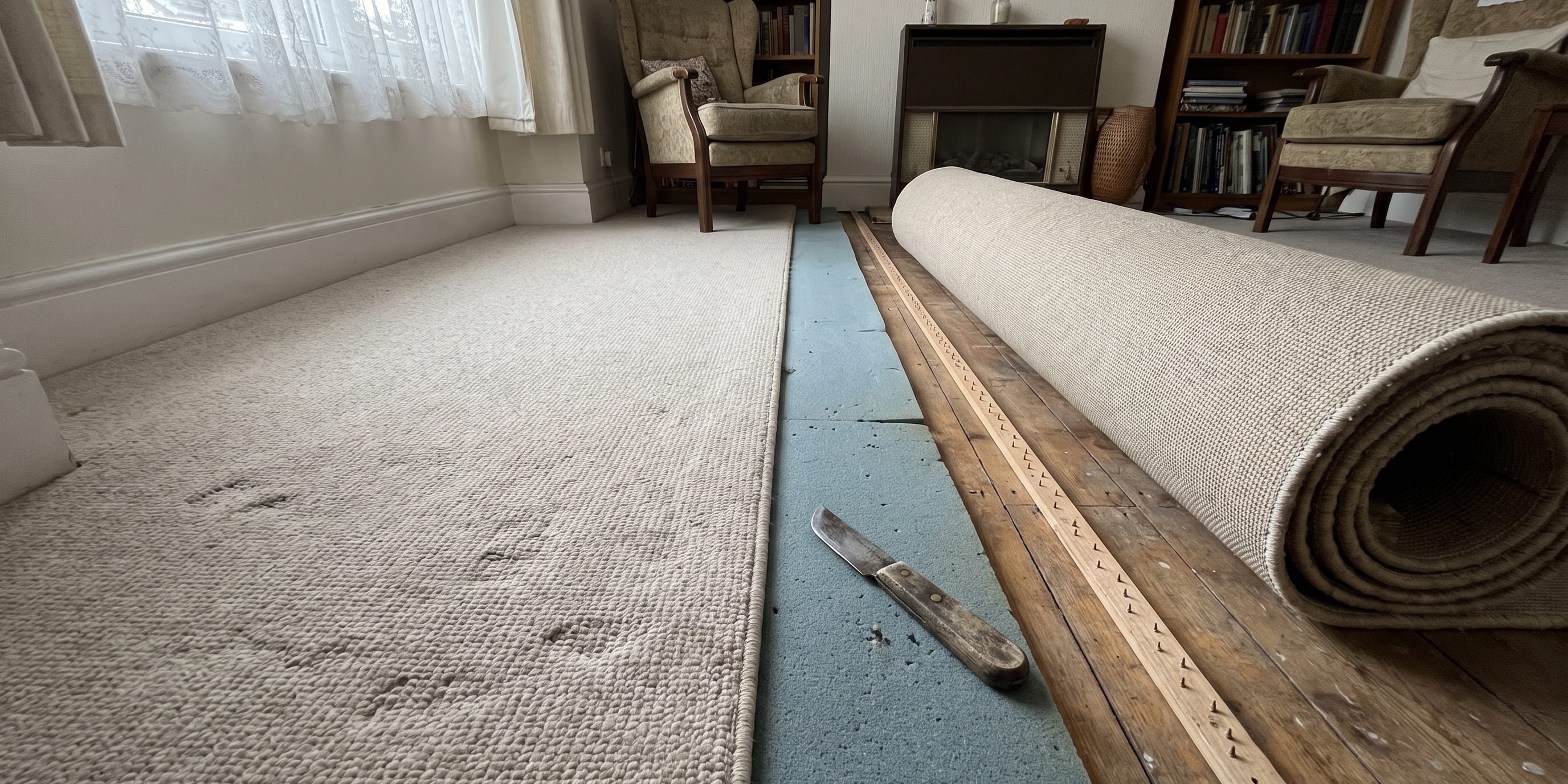
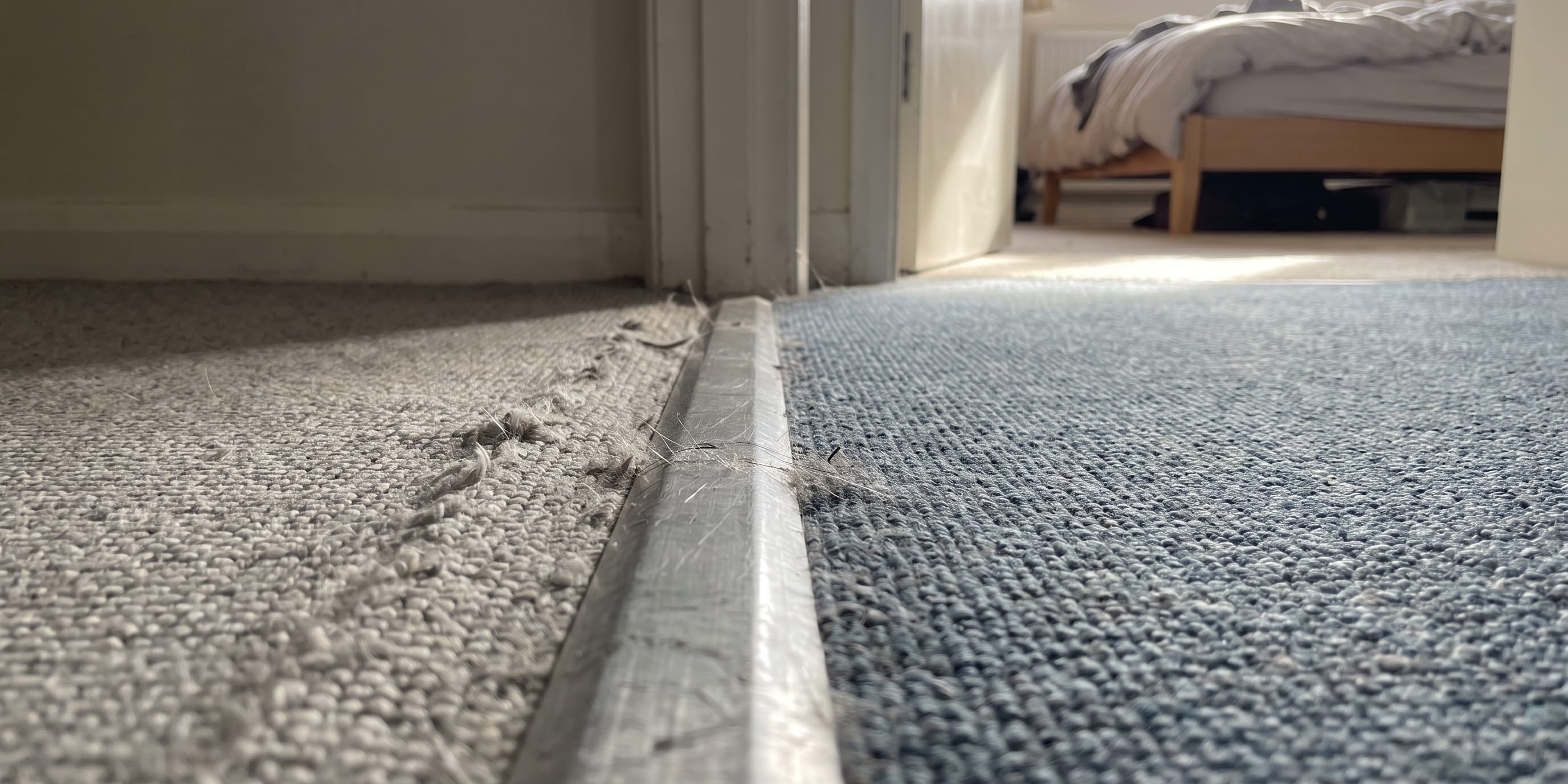
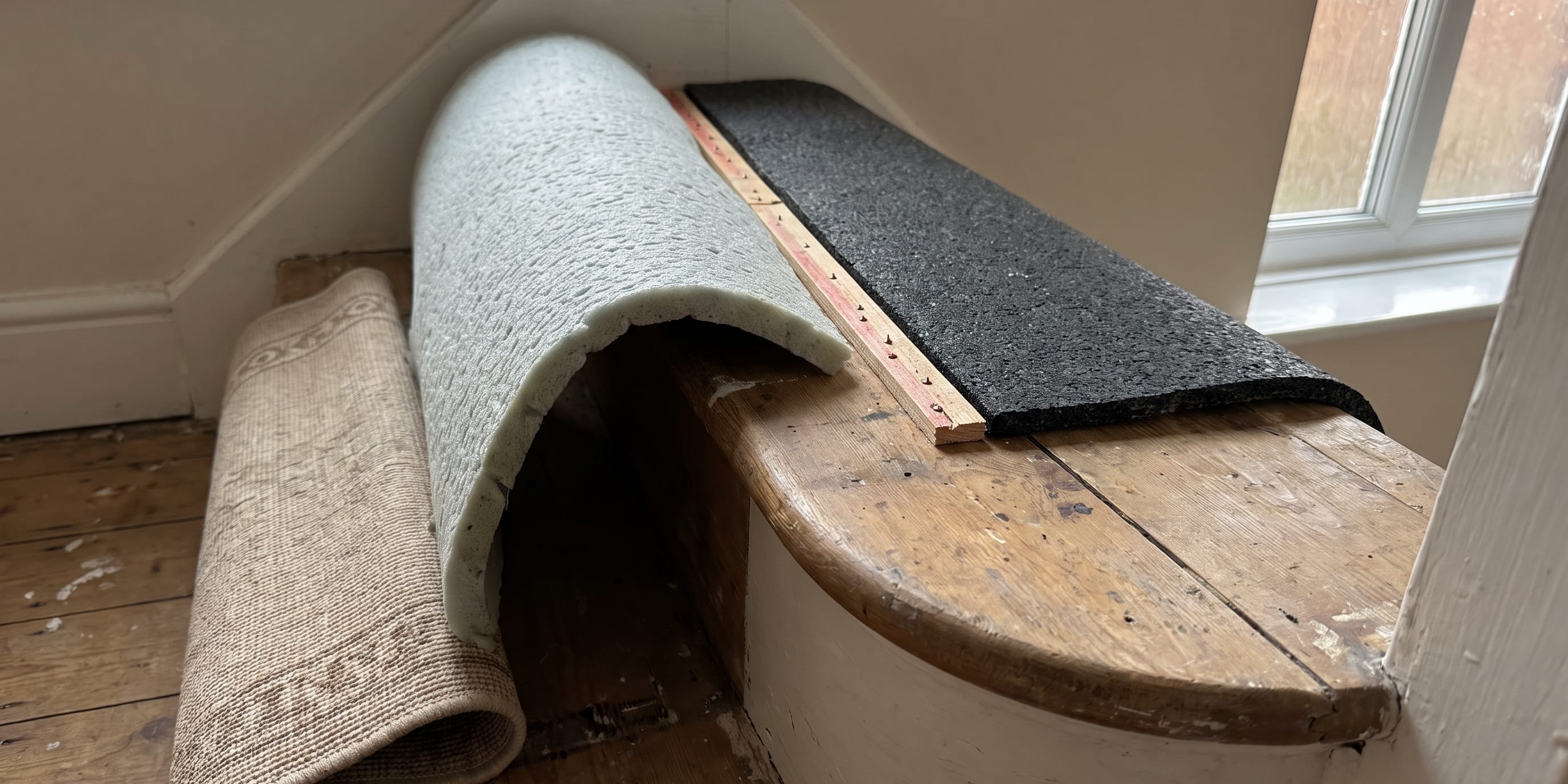
The number that catches people out is the total rather than the carpet. Expect to budget separately for underlay, which is not an optional extra and which materially affects how the carpet feels and how long it lasts, plus gripper rods, door bars and fitting labour. Uplift and disposal of the old floorcovering, moving heavy furniture and any door trimming are usually charged on top. A cheap carpet on cheap underlay is a false economy: good underlay protects the pile from the subfloor and is one of the few upgrades you will notice every day.
Moths and stains: the two real worries
These come up in almost every conversation, and they deserve a proper answer rather than reassurance.
Moths. Carpet moth larvae eat keratin, which means wool and wool blends are vulnerable and synthetics are not. The risk is real but it is also specific: larvae want dark, undisturbed places with a food source, which in practice means under sofas, behind wardrobes, in the corners of little used rooms and under items that have not moved for years. Three things reduce the risk to near nothing. First, buy wool that has been treated with a moth protection during manufacture, and check this rather than assuming it. Second, vacuum under and behind furniture regularly, not just the open floor. Third, deal with an infestation immediately if you spot bare patches or small larvae casings, because an established one spreads.
Stains. Wool’s natural lanolin coating means liquids sit on the surface briefly, so blotting quickly with a clean white cloth deals with a surprising number of spills. What wool cannot take is bleach, strong alkaline cleaners or vigorous rubbing, all of which damage the fibre permanently. Solution dyed synthetics are the opposite: colour is built into the fibre, so diluted bleach based cleaners can be used on some ranges without stripping the shade. Always check the manufacturer’s guidance for the specific carpet before using anything stronger than water.
Two habits matter more than fibre choice. Blot rather than rub, always working inwards from the edge of the spill, and get a good quality doormat at every external door. Most of what ruins a carpet is not spills at all, it is grit walked in from outside, grinding away at the base of the pile.
Your checklist before booking a measure
Work through these and the conversation about fibre becomes very short.
- Which rooms are you doing, and which of them are high traffic?
- Who lives here? Pets, toddlers, or neither?
- Do you take shoes off indoors?
- Is this your long term home, or are you selling within a few years?
- What is your total budget, including underlay and fitting, not just the carpet?
- Do you want one carpet throughout or different specifications per room?
- Any specific concerns, such as allergies, underfloor heating or a previous moth problem?
- Which matters more to you in the main rooms: how it feels, or how easily it cleans?
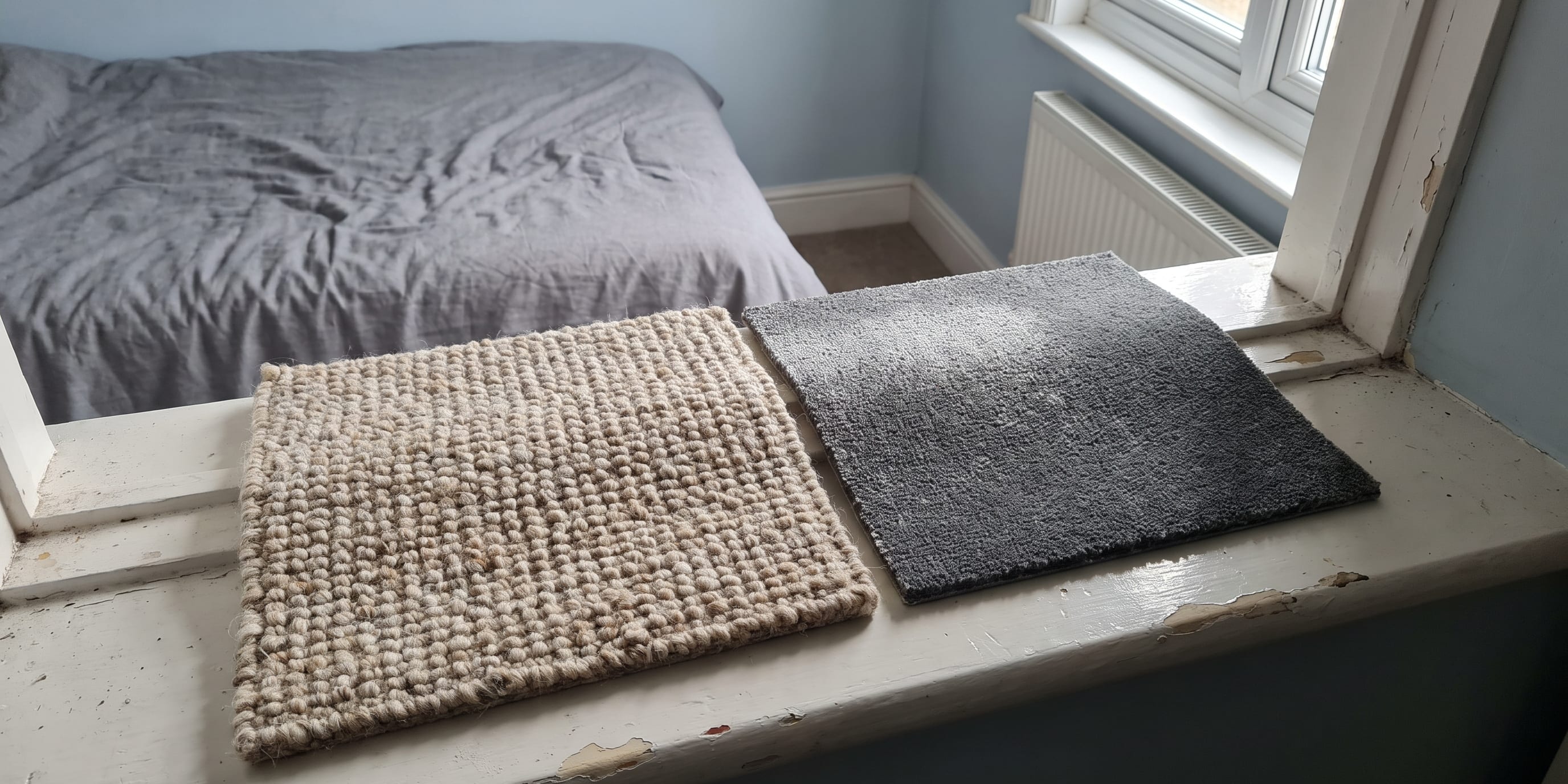
Bring those answers and a rough idea of the room sizes, and the shortlist writes itself. Samples are worth taking home too, because carpet colour shifts considerably between showroom lighting and your own north facing living room.
If you would like help narrowing the options down, have a look at Boundary’s carpet range and fitting service and arrange a free measure, and we will talk through what suits each room in your home rather than selling you the same fibre for all of them.
Questions
Frequently Asked Questions
Is wool carpet really better than synthetic?
Neither is universally better. Wool feels warmer underfoot, holds its appearance well in low to moderate traffic areas and is naturally flame resistant. Modern synthetics such as polypropylene and solution dyed nylon shrug off spills and cost less. The right answer depends on the room, your household and your budget.
What is an 80/20 wool blend carpet?
It is a carpet made from roughly 80 per cent wool and 20 per cent synthetic fibre, usually nylon or polyamide. The wool gives the look and feel, the synthetic adds abrasion resistance. It is the most popular choice for stairs and landings because it balances comfort and hard wear.
Do wool carpets get moths?
They can, because moth larvae feed on natural protein fibres. The risk is manageable. Most wool carpets sold in the UK are treated against moths, and regular vacuuming under and behind furniture removes the undisturbed dust and fibre where larvae thrive. Synthetic fibres are not a food source at all.
Can you get stains out of wool carpet?
Often, yes. Wool has a natural protective layer that slows liquid absorption, so quick blotting deals with many spills. What wool will not tolerate is bleach based cleaning or heavy scrubbing. Solution dyed synthetics are the more forgiving choice if you expect frequent accidents.
How much does carpet fitting cost on top of the carpet?
Fitting is normally quoted separately from the carpet itself, and covers underlay, gripper rods, door bars and the labour. Uplift and disposal of your old floorcovering, and moving heavy furniture, may be charged as extras. A measure gives you one clear figure rather than a guess.