
Can You Fit Carpet Over Existing Carpet? Fitter Advice
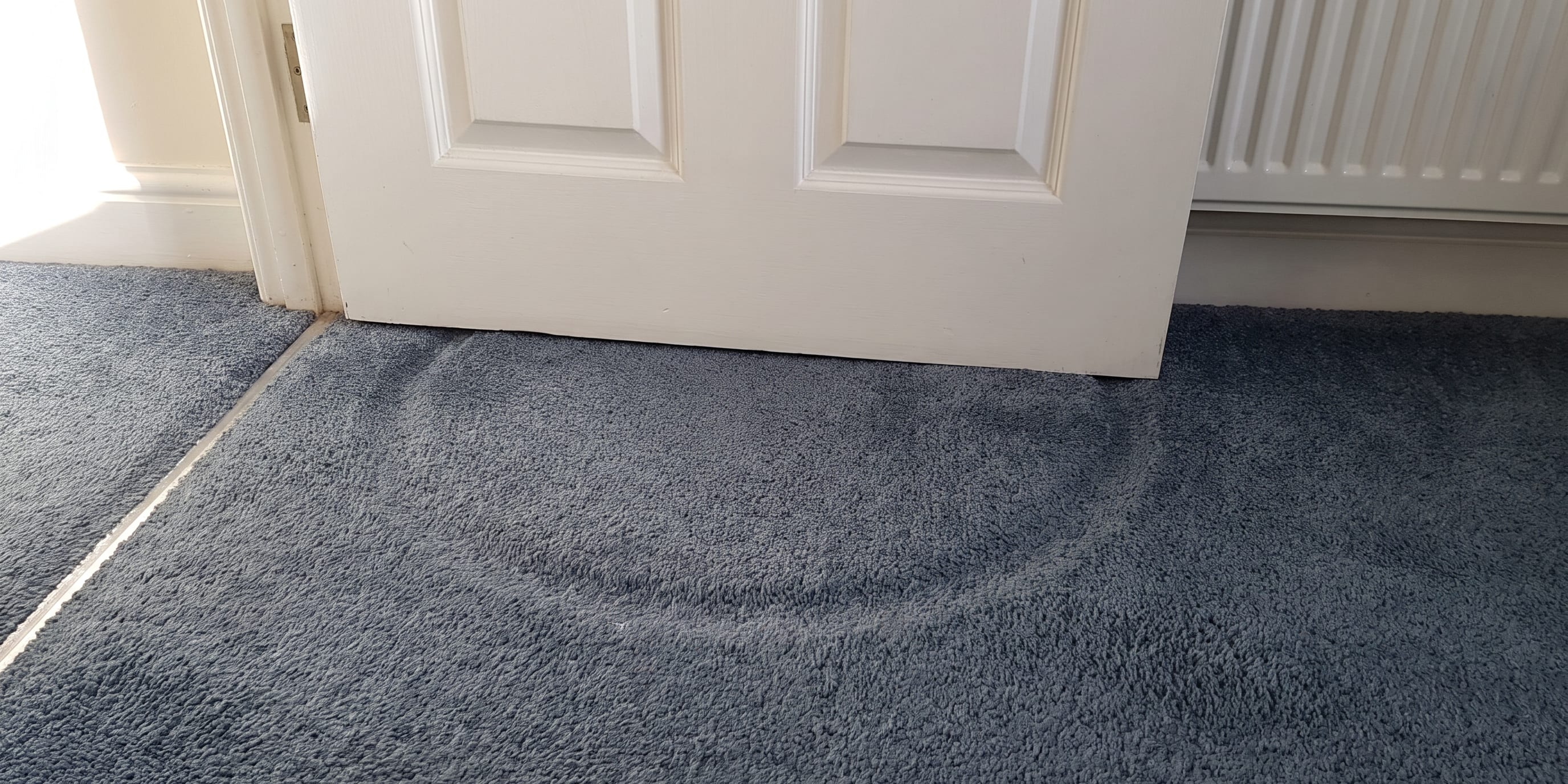
It is one of the most common questions we get asked when someone is pricing up a new floor, and the thinking behind it is perfectly sensible. The old carpet is already down. It is flat, it is attached, and lifting it means skips, dust and an extra line on the quote. So why not just lay the new one straight over the top and save the bother?
The honest answer is that you usually can, and you usually should not. Below is what actually happens when carpet goes down over carpet, what it does to the money you have just spent on a good quality underlay, and why a decent fitter will almost always want the old floorcovering out before anything new goes in.
The short answer
Laying a new carpet over an existing one is technically possible, but it is rarely advisable. Gripper rods can be refixed, the new carpet can be stretched and trimmed, and on fitting day it will look fine.
The problem is what happens over the following months and years. A fitted carpet is designed as a system: a sound subfloor, a correctly specified underlay, and the carpet itself. Each layer does a defined job. Introduce a fourth layer that was never meant to be there, one that has already been walked on for a decade and compressed unevenly, and you lose control over how the whole thing behaves.
That is the real objection. Not that it cannot be done, but that the result is unpredictable, and you have no way of knowing in advance which of the likely problems you are going to get. There are narrow exceptions, usually a very thin, flat, firmly bonded commercial loop pile in a low traffic area, but that is a judgement a fitter should make in person rather than a default approach worth planning around.
What it does to your underlay and to comfort underfoot
Underlay is the part of a carpet installation most people underestimate. It absorbs the impact of footfall, protects the carpet backing from abrasion, adds insulation and does a great deal of the work that makes a floor feel good to walk on. A better underlay genuinely extends the life of the carpet above it.
For that to work, the underlay needs to sit on something flat and stable, and it needs to compress and recover evenly across the whole floor. An old carpet cannot give it that. Think about where a carpet wears: the doorway, the route to the sofa, the spot in front of the kettle. Those areas are already crushed flat. The pile under the bed, behind a door or in the corner of a bedroom is barely touched and still has most of its height.
Lay new underlay over that and you have effectively built an uneven base. The new carpet now has soft spots and firm spots, and the busiest parts of the room, the ones already worn into the old carpet, are the parts with the least support. Those are exactly the places the new carpet will flatten first. Within a year or two the old traffic routes start showing through the new floor, which is a dispiriting thing to watch after paying for a new carpet.
There is also a stability problem. Two layers of carpet pile moving independently under the same foot creates a slightly spongy, unstable feeling, and it makes it far harder to hold a proper stretch. Carpet that is not held under tension is carpet that ripples. Doors become an issue too, because you have added the full thickness of an extra carpet to the floor height, and internal doors, thresholds and the bottom step of a staircase rarely have that much room to spare.
Warranty and guarantee implications
This is the part that tends to change people’s minds.
Carpet manufacturers publish fitting requirements, and underlay manufacturers do the same. Those documents consistently assume installation onto a clean, dry, sound and suitably prepared subfloor. They are written that way because the manufacturer is only prepared to stand behind the product’s wear performance when it has been installed in the conditions they tested it in.
Fitting over an existing carpet is not that. If the new carpet then flattens prematurely in the traffic areas, or the backing breaks down, or the seams open up, a claim becomes very difficult to pursue, because the obvious explanation is sitting right there under the new floor. You can end up with a carpet that has failed early and no route to a remedy.
The same applies to the fitting itself. A reputable fitter guarantees their workmanship, and that guarantee assumes the installation was carried out properly. Ask a fitter to work over an existing floorcovering against their recommendation and you should expect that guarantee to be qualified or withdrawn. That is not a fitter being awkward. It is a fitter being clear that they cannot be accountable for a result they have no control over.
What is hiding under the old carpet
The uplift stage is the only time anyone gets to see the subfloor, and it routinely turns up things nobody knew about.
Damp. This is the serious one. Moisture coming up through a concrete floor, or a slow leak around a radiator pipe, can sit in an old carpet and underlay for a long time without being obvious from above. Cover it with a new carpet and a new underlay and you have sealed the moisture in with even less chance of it drying out. Damp trapped between layers leads to mould, to odours that no amount of cleaning will shift, and to the breakdown of the carpet backing.
Uneven or loose boards. Timber floors move. Boards lift at the edges, nails work loose, and previous work by plumbers or electricians often leaves a board cut and badly refitted. None of that gets better under a second carpet, and every ridge will eventually read through to the surface. A squeak that was muffled by the old carpet is still a squeak.
Old adhesive, tacks and debris. Previous installations leave behind gripper that has rusted or worked loose, stray tacks, lumps of dried adhesive and a surprising quantity of grit.
Mould and general contamination. Older carpets hold decades of dust, pet dander and spilt liquid. Sealing all of that under a new floor is not a neutral decision, particularly in a bedroom or anywhere a child plays on the floor.
The pattern here is that none of these problems announce themselves. They surface the moment the old carpet comes up, which is precisely why the old carpet needs to come up.
The cost comparison, honestly
Uplift and disposal is a real cost. There is labour in lifting the old carpet and underlay, pulling the old gripper where needed and clearing the subfloor, and there is a separate cost in taking the waste away and disposing of it responsibly. We would never pretend otherwise.
But set it against the rest of the job. The carpet itself, the underlay, the accessories and the fitting labour make up the bulk of any quote. Uplift and disposal is a modest proportion of the total, and it is the proportion that protects everything else you are spending.
Now consider the alternative. If the new carpet ripples or wears through in the doorways, the fix is not a repair. The fix is lifting the new carpet, doing the preparation that should have been done in the first place and refitting. At that point you are paying fitting labour twice, you may well have damaged the carpet during an unplanned uplift, and you are back to buying underlay. If the hidden problem turns out to be damp, you have potentially allowed it to do months of unseen work on your floorboards or skirtings while it was sealed in.
Clearing the room properly also gives the fitters a chance to check the subfloor is dry and sound before the new goods go anywhere near it. That inspection is worth a great deal, and it only exists if the uplift happens.
How a free measuring visit removes the guesswork
Most of the anxiety about this question comes from not knowing what is under there. A measuring visit is how that gets resolved before you commit to anything.
When we come out to measure, we are not only recording room dimensions. We will look at the existing floorcovering and how it is fixed, check the edges and corners where the subfloor can be seen without disturbing the room, note the floor construction, and pay attention to the places where problems tend to show: around radiators and pipework, external walls, bathroom and kitchen boundaries, and the base of stairs. We will also check door clearances and thresholds so the finished floor height works with the doors you already have.
That assessment feeds straight into the quote. You get told what uplift and disposal involves for your rooms, whether any preparation is likely to be needed, and what the realistic options are, before you have spent anything. If something does need attention, it is far better to know at the quoting stage than to find out with the furniture in the hall and a fitting team standing in your living room.
It also means there are no surprises on fitting day, which is the whole point. Clear information up front is what lets you compare options properly and choose a carpet and underlay that suit the room rather than hoping for the best. If someone offers to fit over your existing carpet without looking closely at it first, treat that as a reason to ask more questions rather than a saving.
If you would like a straight answer about your own floor, the sensible next step is to have it looked at. You can read more about how we approach carpet fitting, or browse Boundary’s carpet range and fitting service and arrange a free measuring visit so you are working from facts about your subfloor rather than guesses about what might be under there.
Questions
Frequently Asked Questions
Can you fit new carpet over an old carpet?
It is technically possible in some situations, but it is rarely advisable. The old carpet acts as an unpredictable cushioning layer, which undermines the new underlay, creates uneven wear and hides any problems with the subfloor beneath.
Does fitting over old carpet affect the manufacturer’s guarantee?
It can. Most carpet and underlay guarantees assume fitting to a sound, clean, dry subfloor in line with the manufacturer’s instructions. Fitting over an existing floorcovering usually falls outside that, which can leave you without recourse if the carpet wears badly.
Is it cheaper to leave the old carpet down?
You save the uplift and disposal element of the quote, which is a small part of the overall cost. If the new carpet then ripples, wears unevenly or has to be lifted to deal with a damp or uneven subfloor, you pay for the fitting twice.
How do I know what condition my subfloor is in?
You usually cannot tell until the old carpet comes up. That is one reason we include a free measuring visit, where the existing floor is checked at the edges and in problem areas before any quote is given.
Is there ever a case for fitting over the existing carpet?
Occasionally, with a very flat, thin, firmly fixed commercial loop pile in a low traffic area, and usually as a short term measure. It is the exception rather than a shortcut worth planning around.